 Reviews
Back to Home
Reviews 15 min read time 2 viewsJul 26, 2026(Updated on Aug 16, 2026)
CB300F Twister 2026: Why It Beats the MT-03 in the City
Whoever swaps the CB300F's torque for the MT-03's roar cries at the gas station. See why Honda's single-cylinder reigns in real urban use.
The Myth of the Twin-Cylinder in Urban Traffic
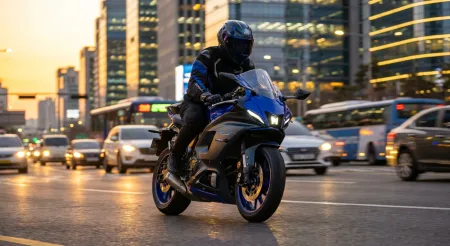
The illusion of a twin-cylinder motorcycle in an urban setting often seduces enthusiasts, promising superior performance and a deeper exhaust note. However, this romantic vision does not always align with the demands and challenges of daily traffic. Many riders fall into the trap of believing that a higher number of cylinders and high horsepower at high RPMs are synonymous with an optimized experience in stop-and-go environments—a myth that the 2026 Honda CB300F Twister demystifies with its smart proposition. The reality is that in traffic jams and busy city streets, an engine's ability to deliver strong torque at low and mid-range RPMs is the true game-changer, not the peak power that will rarely be fully exploited.
While twin-cylinder bikes, like the Yamaha MT-03, often require the rider to keep the engine at higher RPMs to unlock its maximum power, the 2026 Honda CB300F Twister offers robust and accessible torque right from the start. With its single-cylinder engine, the CB300F delivers a peak of 2.67 kgf.m (when fueled with ethanol) at a modest 5,500 rpm. This characteristic is fundamental for making speed roll-ons and launches from stoplights easier, eliminating the need for constant gear shifts or forcing the engine to rev to extreme limits. This feature not only provides a smoother, less exhausting ride in heavy traffic, but also translates into remarkable energy efficiency, an aspect we will detail below. The exhaust sound that pleases some so much, in an urban context, often translates to higher fuel consumption and less practical utility, demonstrating that fascination with power can result in a high daily cost. Urban mobility demands cleverness, not just brute force.
Performance and Torque Where It Really Matters
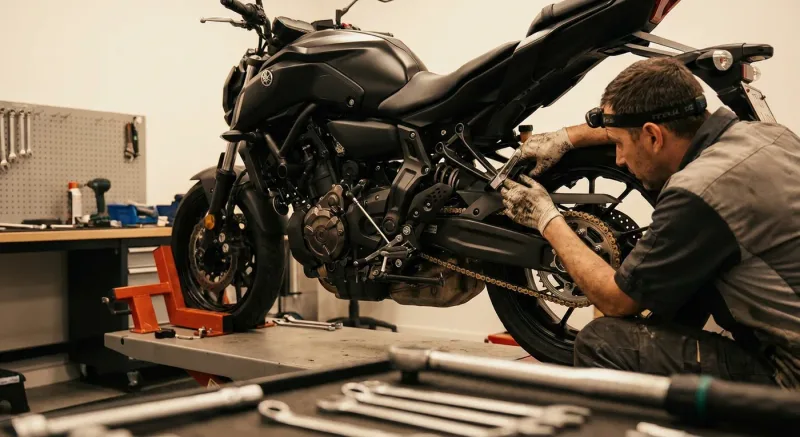
When it comes to performance in an urban environment, the premise that engines need extremely high RPMs to "wake up" simply does not hold. The true metric of efficiency is the engine's ability to provide power and agility right where the rider needs it most: at low and mid-range RPMs, which are crucial for stoplight starts, evasive maneuvers, and quick acceleration bursts. The 2026 Honda CB300F Twister was meticulously designed around this premise, and its technical data unequivocally endorses this value proposition. The core of the 2026 Twister lies in its 293.5 cc single-cylinder engine, a flex-fuel powerplant distinguished by its linear power delivery and remarkable efficiency.
The numbers speak for themselves: the CB300F Twister generates peak torque of 2.67 kgf.m (on ethanol) or 2.61 kgf.m (on gasoline) at an impressive 5,500 rpm. This characteristic ensures that the rider feels the bike's power available instantly, without needing to overwork the engine at high RPM ranges, resulting in a smoother, less stressful riding experience, especially in heavy traffic. The CB300F's agility is vividly demonstrated in its 0 to 80 km/h acceleration, taking just 5.72 seconds (on gasoline)—a time that perfectly qualifies it to quickly break free from vehicle flow and gain an advantage at intersections. Although its actual top speed stabilizes around 139 km/h, it is its ability to reach intermediate speeds swiftly that sets it apart in the urban environment. For those who prioritize efficiency and speed when traveling between traffic lights and over short stretches, the CB300F not only meets expectations but exceeds them, focusing performance where it is most functional in daily life. For more details on specs, check out our article on ideal performance for urban bikes: Urban Performance: What Really Matters.
SIMPLIFIED TECHNICAL SPECS - 2026 HONDA CB300F TWISTER
- Engine: Single-cylinder, 4-stroke, OHC, air/oil-cooled, 293.5 cc
- Maximum Power (Ethanol/Gasoline): 24.7 hp / 24.5 hp @ 7,500 rpm
- Maximum Torque (Ethanol/Gasoline): 2.67 kgf.m / 2.61 kgf.m @ 5,500 rpm
- Fuel System: PGM-FI FlexOne Electronic Injection
- Starting System: Electric
- Transmission: 6-speed
- 0-80 km/h Acceleration (Gasoline): 5.72 seconds
- Top Speed (Actual): Approximately 139 km/h
The Impact of 35 km/l on Your Wallet
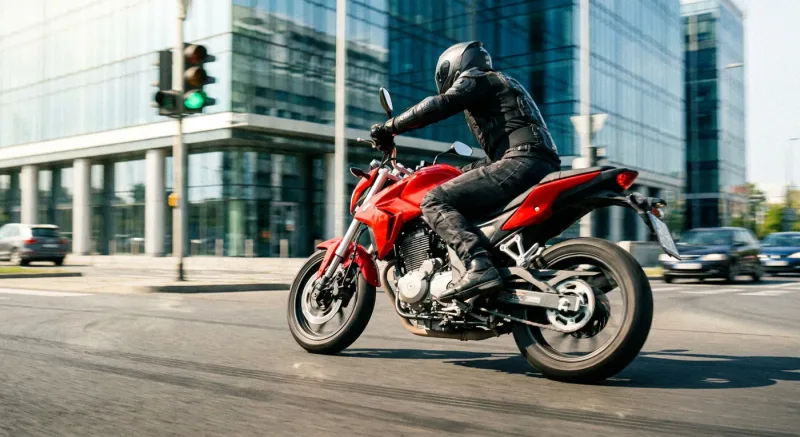
In a scenario where fuel expenses represent a considerable portion of a rider's budget, a motorcycle's fuel consumption transcends being a mere detail and becomes a decisive factor in the purchasing decision. The 2026 Honda CB300F Twister raises the bar for energy efficiency, presenting numbers that leave the competition at a disadvantage, especially when considering daily use in urban centers. Although the roar of twin-cylinder engines can be captivating, reality at the gas station quickly brings the rider back to rationality, highlighting that ephemeral pleasure can convert into a substantially higher operating cost. The Twister, on the other hand, delivers on the promise of economy without compromising the performance essential for everyday riding.
With actual fuel economy of 35 km/l under severe urban conditions, and the ability to reach an impressive 39.7 km/l during certification (validated by the Mauá Institute), the 2026 CB300F Twister establishes itself as a champion in fuel economy. To put these figures into context, simply compare them with twin-cylinder models like the Yamaha MT-03, which, despite offering higher top-end power, averages around 22 km/l. The disparity is striking and directly impacts consumer purchasing power. To illustrate, consider a rider who covers 1,000 km per month: the CB300F would consume approximately 28.5 liters of fuel (1,000 km / 35 km/l). In contrast, the MT-03, covering the same distance, would consume around 45.5 liters (1,000 km / 22 km/l). Projecting an average price of R$ 5.50 per liter of gasoline, the monthly savings provided by the CB300F would be approximately R$ 93.50 (a 17-liter difference multiplied by R$ 5.50), translating into over one thousand reais in annual savings. This significant savings not only relieves the budget but also increases range and reduces refueling frequency, making the riding experience even more convenient. For in-depth tips on fuel economy, visit How to Save Fuel on Your Motorcycle.
MSRP vs. Dealership Reality
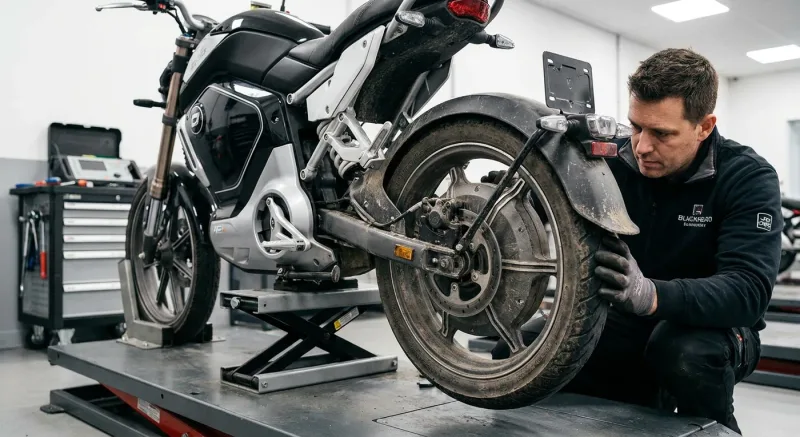
Buying a new motorcycle is a process that always requires careful price analysis, and the 2026 Honda CB300F Twister is no exception. Although Honda advertises a suggested factory retail price that may at first glance seem quite attractive, the reality at Brazilian dealerships often diverges, requiring consumers to be vigilant and ready to negotiate. "Suggested" prices are actually mere starting reference points, making it crucial for buyers to be fully aware of market practices that can, in many cases, inflate the final vehicle cost. Transparency throughout this process is paramount to avoiding undesirable surprises and ensuring that the investment is made in an informed, thoughtful manner.
For the 2026 model, Honda sets suggested retail prices at R$ 25,150 for the CBS version and R$ 26,150 for the ABS version, both based in the state of São Paulo. However, it is common practice for these values to serve only as a starting point. At dealerships, due to various factors such as store markups, regional freight costs, and occasionally model availability itself, actual prices charged can show significant variation, reaching levels between R$ 28,990 and R$ 30,600. This difference, which can reach an impressive R$ 4,450 above the suggested price for the ABS version, is considerable and can substantially impact the buyer's financial planning. It is imperative to research across multiple dealerships, not limiting yourself to the first offer, and to always ask about the detailed breakdown of the final price, including all additional costs. Successful negotiation can result in relevant savings and guarantee a fair deal. Discover more on how to optimize negotiations for your new bike's price at Tips for Negotiating Your New Bike.
Cost of Ownership and Honda Warranty
👎 Cons / Weaknesses
- One of the major highlights Honda offers for the CB300F Twister is a generous 3-year unlimited-mileage warranty. This benefit provides significant peace of mind, covering potential manufacturing defects (with the exception of the battery, which carries a 1-year warranty). Additionally, the free oil program is a notable highlight: Honda provides complimentary lubricant starting from the 3rd service through the 9th service, totaling an impressive 7 free oil changes. This perk represents substantial savings during the first few years of motorcycle ownership. As for insurance—a component whose cost is notoriously variable—annual expenses can fluctuate drastically, ranging from R$ 900 to R$ 4,150 depending on multiple factors such as the owner's postal code, rider profile, and the selected coverage type. This wide range highlights the importance of getting insurance quotes before finalizing the purchase. In summary, the 2026 CB300F Twister presents a robust financial balance, with a highly competitive cost of ownership that, combined with its efficiency and agility, establishes it as one of the most sensible options available on the current market for daily urban use.
The Cylinder Head Ghost Is in the Past
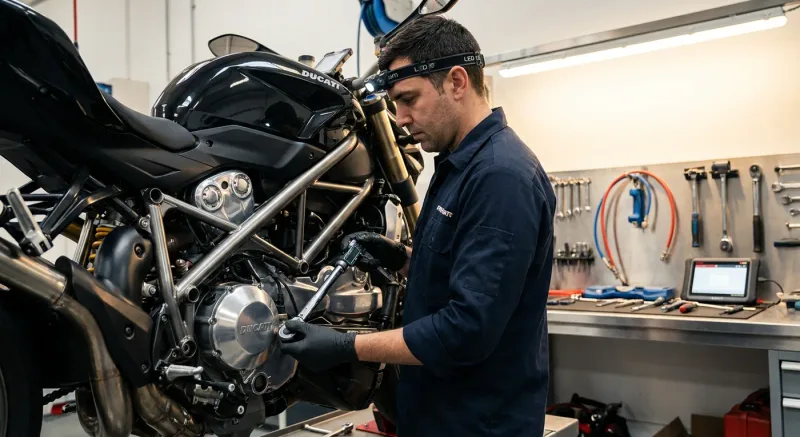
It is undeniable that the simple mention of the name "300" in the Honda lineup sometimes sends a chill down the spine of experienced riders. The ghost of the infamous cylinder head issue from the old CB 300R, produced between 2009 and 2015, still haunts popular memory and creates unjustified mistrust toward the current CB300F Twister. However, it is essential to clarify: the 2026 CB300F Twister's 293.5 cc engine is a completely new and distinct unit that shares no design flaws with its predecessor.
Honda redesigned the engine architecture, implementing modern and more robust technologies that eliminate the structural weaknesses that led to cracked cylinder heads in the previous generation. This new engine is based on the updated XRE 300 platform, known for its reliability, and was further refined for the CB300F, resulting in consistent performance and far superior durability. That apprehension is, therefore, an anachronism. We are looking at a contemporary engine designed for longevity and to meet the demands of daily use, without carrying the burden of a past that doesn't belong to it. Dealerships and specialized repair shops confirm the structural differences and the absence of chronic reports of similar problems on the new platform, dispelling any shadow of doubt that might linger in potential buyers' minds. For more details on the bike's technical specs, visit our complete review of the 2026 CB300F Twister.
REPAIR SHOP HIGHLIGHT: "There is no comparison between the old CB 300R engine and the CB300F. It's a completely different architecture, a more robust design. Anyone afraid of the cylinder head can rest easy—Honda learned its lesson and delivered a far more reliable and durable mechanical package in this new generation." - Chief Mechanic, Honda Dealership.
Weak Points Nobody Tells You at the Dealership
Although the 2026 CB300F Twister is a bike packed with qualities and offers excellent value for daily use, it is crucial to address the points that aren't always mentioned in the excitement of buying. There are consistent reports from owners, especially in forums and discussion groups, regarding a few hiccups that can frustrate the experience. One of the most frequent is premature wear or noise in the timing chain. In some cases, this issue arises earlier than expected, leading to discussions with dealerships about whether it's a hidden manufacturing defect or the result of maintenance. It is a point worth keeping a close eye on during the warranty period.
Another detail that has annoyed owners is the build quality of the digital instrument panel. Several users report internal spots/stains appearing after around 6,000 km, compromising display readability. This type of cosmetic defect can be annoying, especially on a component so central to rider interaction. Finally, for those planning longer trips, the CB300F exhibits bothersome vibration above 5,000 rpm. On short urban commutes, this is barely noticeable, but on highways at sustained higher speeds, this vibration can cause fatigue in the hands and feet, considerably reducing long-distance comfort and taking away some of the enjoyment of long journeys. These issues, while not compromising the bike's core functionality, are worth knowing before making a buying decision.
Direct Comparison: CB300F vs. Naked Rivals
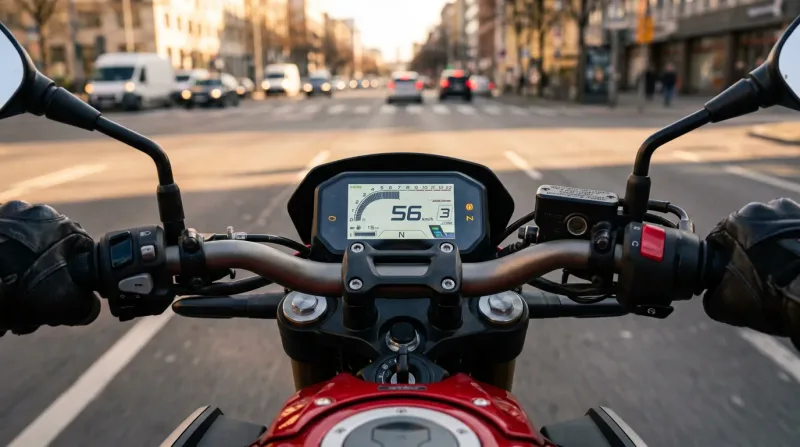
In the competitive mid-displacement naked segment, the 2026 Honda CB300F Twister positions itself uniquely. While rivals like the Yamaha MT-03, Kawasaki Z400, and KTM 390 Duke entice buyers with twin-cylinder or larger-displacement engines delivering higher horsepower and a sportier feel, the Twister plays on a different field: practicality and real-world efficiency. The MT-03, for instance, impresses with its two-cylinder engine and throaty sound, but demands a high price in maintenance and, especially, fuel consumption, often averaging well below 30 km/l, which places a heavy toll on an urban rider's wallet. The Z400 and 390 Duke raise the performance and technology bar even higher, but come with significantly higher purchase and maintenance costs, along with more complex components like sophisticated liquid cooling and pricier replacement parts.
The CB300F, with its 293.5 cc single-cylinder engine, may not match that high-rpm power burst, but its focus on low- and mid-range torque makes it unbeatable in heavy traffic. Its mechanical simplicity translates into lower maintenance costs and exemplary fuel economy, easily exceeding 35 km/l in real-world conditions. For the rider seeking an efficient tool for daily commutes who needs agility to filter through traffic, economy to fill the tank, and durability to handle rough city streets, the Twister is unquestionably the most sensible choice. It doesn't pretend to be something it isn't; it executes its purpose with excellence, proving that more power doesn't always mean better for the urban context. For a deeper analysis of these competitors' features, see our detailed comparison at Naked Comparison: CB300F vs. MT-03, Z400, 390 Duke.
Recalls and Daily Preventive Maintenance
One of the biggest concerns for any vehicle owner is the possibility of being impacted by recall campaigns, which, although demonstrating the manufacturer's commitment to safety, can cause inconvenience and worry. For the 2026 Honda CB300F Twister, there is reassuring news for consumers: to date, there are no open recalls registered on Honda's official portal in Brazil for this specific model. This reinforces the perception of a well-engineered motorcycle with rigorous manufacturing processes, minimizing defects that would require a mass recall. However, it is always recommended that owners periodically check Honda's website using their motorcycle's VIN to stay updated on any future developments.
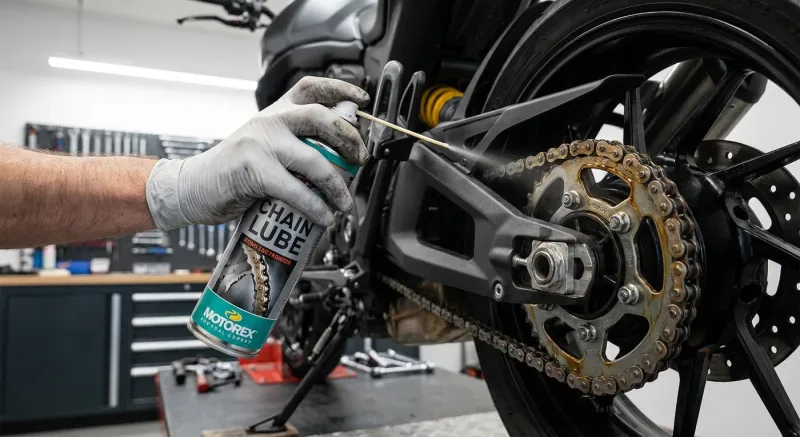
Beyond the absence of recalls, daily preventive maintenance plays a crucial role in the longevity and performance of the CB300F. The simplicity of its single-cylinder layout facilitates many basic checks that owners can perform themselves. Practical tips include drivetrain lubrication every 500-1,000 km, depending on riding conditions and weather, using an appropriate chain lube. Maintaining proper chain tension is equally vital to prevent excessive wear on sprockets and ensure efficient power transfer. Fluid checks, such as engine oil and brake fluid levels, should be performed regularly, ideally before any major ride. Small care steps like checking tire pressure and confirming lights and turn signals work properly contribute enormously to safety and help avoid unpleasant surprises and costly corrective maintenance. As a robust bike, the Honda CB300F rewards owners who dedicate a little time to basic upkeep.
Verdict: Reason Beats Emotion in City Traffic
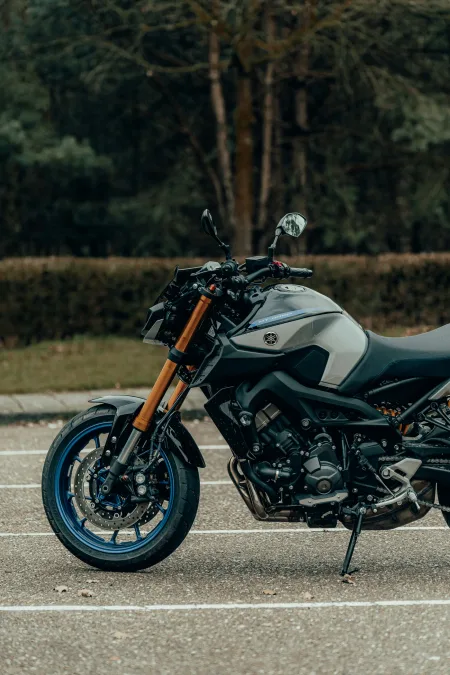
We have reached the decisive point: the final verdict on the 2026 Honda CB300F Twister. In a market where emotion often dictates purchases, especially in the motorcycle segment, the Twister stands out as a beacon of rationality. For riders facing chaotic traffic in major cities every day, needing a reliable tool for work or smart commuting, the CB300F is not just an option—in most cases, it is the superior choice. Forget the deep rumble of a twin-cylinder or raw top-end power that will rarely be tapped in gridlocked streets.
The truth is that the low-end torque available on the CB300F, combined with its insanely efficient fuel consumption, delivers a practical and financial package that none of its direct rivals, such as the Yamaha MT-03, can match in real urban usage. Lower maintenance costs, a vast dealer network, and the proven reliability of its new engine solidify its position as the daily commuting champion. While others worry about the gas bill or expensive maintenance, the Twister owner enjoys an agile, economical ride. The 2026 CB300F proves beyond a shadow of a doubt that on real-world asphalt—where every saved real and every minute gained matter—the logic of torque and fuel efficiency beats any purely emotional appeal from the competition. It's the bike for those who think with their head, not just their heart.
Recommended Posts
Comentários (0)
Participe da discussão
Faça login ou cadastre-se rapidamente para enviar seu comentário. É simples e leva menos de 1 minuto!
Nenhum comentário por enquanto. Seja o primeiro a opinar!